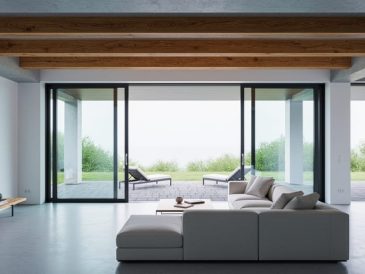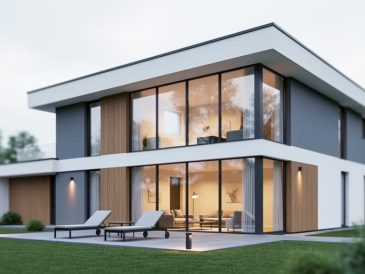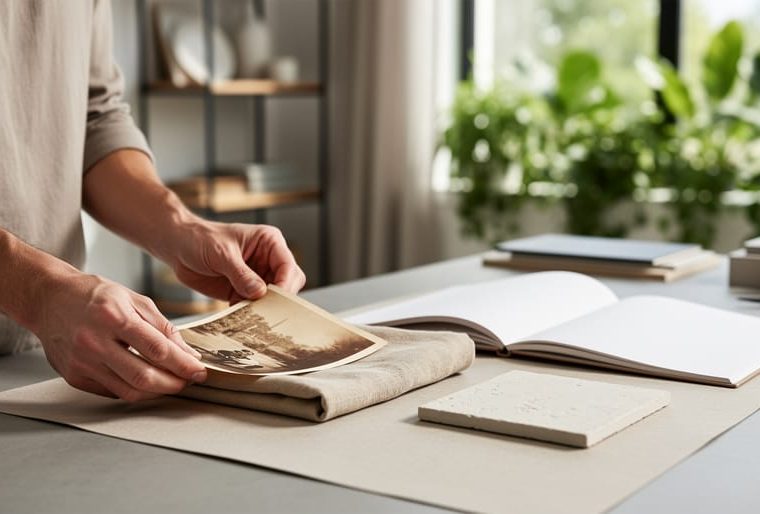
Inspiration creativity is the dynamic interplay between external stimuli and internal imagination that transforms observation into original design solutions. It’s the spark that arrives when you encounter a color palette in nature, a texture combination in a vintage photograph, or an unexpected architectural detail during travel, and your mind begins connecting these elements in fresh ways for your own spaces.
Understanding how this process works matters because creativity in design isn’t a mystical talent reserved for professionals. It’s a skill anyone can develop through intentional practice and environmental awareness. When our international team at Pure Design gathered at our 2026 spring community workshop, designers from Tokyo to Copenhagen shared a common observation: the most consistently creative people don’t wait for lightning-strike moments. They build systems that invite inspiration and channel it into tangible results.
The challenge most design enthusiasts face isn’t a lack of creative potential. It’s not recognizing when inspiration appears or knowing how to capture and develop those fleeting ideas before they vanish. You might scroll past a striking image, admire a room layout, or notice an interesting material pairing, but without a framework for processing these moments, they dissolve into the background noise of daily life.
This article breaks down the mechanics of inspiration creativity, from the neurological patterns that generate novel connections to the practical techniques professional designers use to fill their creative reserves. You’ll discover the distinct types of inspiration, learn to identify your personal creative triggers, and develop a sustainable practice for cultivating ideas that transform your living spaces from ordinary to extraordinary.
What Inspiration Creativity Means for Designers
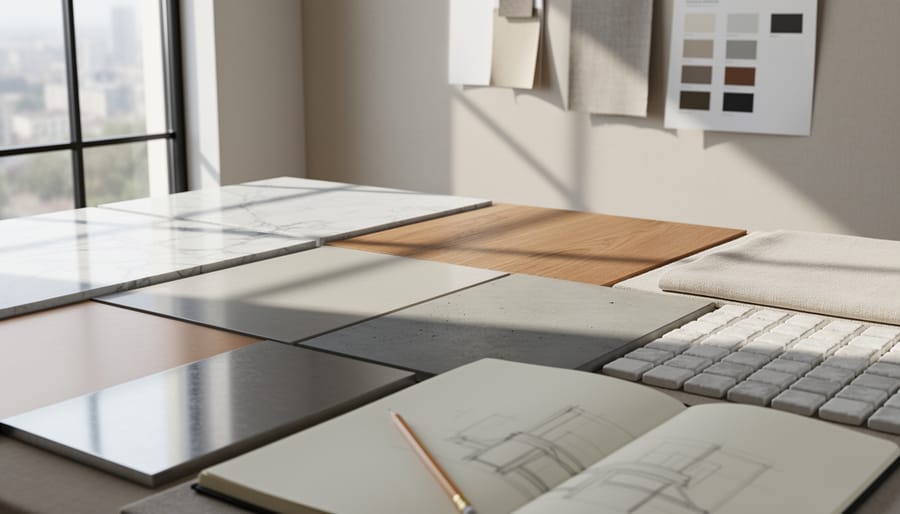
For designers, inspiration creativity is the active synthesis of observation, curiosity, and imagination, a generative force that transforms what you encounter in the world into original design solutions. It’s not about passively consuming beautiful images or admiring someone else’s work. Instead, it’s a dynamic process of absorbing visual, emotional, and sensory inputs, then filtering them through your unique perspective to create something entirely new.
This distinction matters. Passive admiration stops at “I like that.” Inspiration creativity asks “Why does this resonate with me, and how can I translate this feeling into my own work?” It’s the difference between bookmarking a room on Pinterest and understanding the underlying principles, the play of light, the balance of proportion, the tension between textures, that make it compelling, then applying those principles in your own context.
- Inspiration vs. Imitation
- Inspiration absorbs the essence or principle behind a design element and reinterprets it through your own lens. Imitation replicates the surface appearance without understanding or transforming the underlying idea.
- Creative Synthesis
- The mental process of combining disparate observations, experiences, and ideas into a cohesive new concept. This fusion creates design solutions that feel both fresh and grounded in real-world insight.
- Design Intuition
- The developed instinct for what works visually and functionally, built through accumulated observation and practice. It guides which inspirations to pursue and how to adapt them to specific spaces and clients.
- Cultural Influence
- The way your background, environment, and exposure to different traditions shape what you notice and how you interpret it. Designers working across international contexts bring distinct visual vocabularies and problem-solving approaches to their creative process.
The international design community demonstrates this vividly. A Scandinavian designer drawing inspiration from Japanese minimalism doesn’t replicate tatami rooms, they might absorb the principle of functional simplicity and express it through Nordic materials and light. A designer in Melbourne inspired by Moroccan riads might translate the central courtyard concept into a sky-lit atrium suited to Australian climate and lifestyle.
Cultural context doesn’t limit inspiration creativity; it enriches it. Your experiences, travels, conversations, and even the local environment where you work all act as filters that make your creative output distinct. Two designers can visit the same exhibition and leave with completely different insights based on their backgrounds and current projects.
How Inspiration Creativity Works in the Design Mind
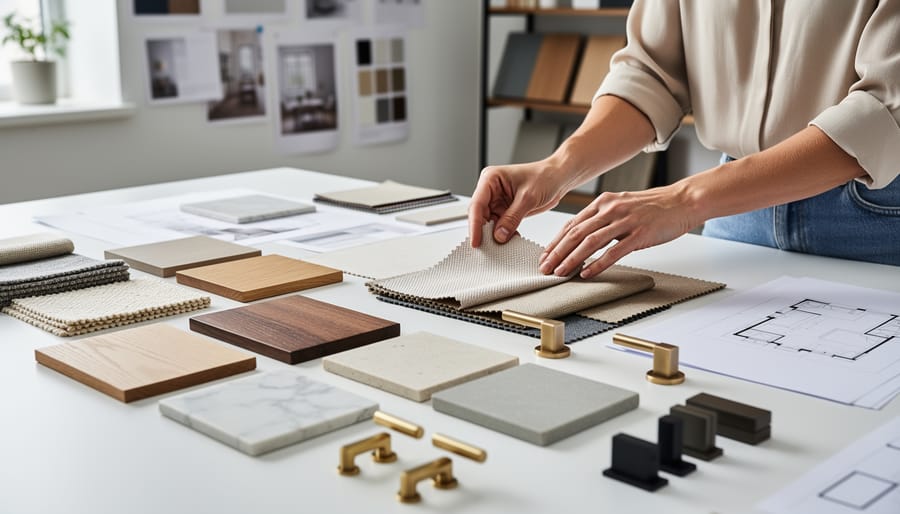
Your design mind doesn’t work like a filing cabinet, it functions more like a chemistry lab, constantly mixing inputs until something new precipitates out. When you spot a color combination in a vintage fabric, notice how light filters through a café window, or feel the texture of weathered stone, your brain immediately starts hunting for patterns and connections. This isn’t random wandering. You’re unconsciously comparing that input against every design you’ve seen, every space you’ve inhabited, every material you’ve touched.
Pattern recognition forms the foundation of inspiration creativity. Your mind catalogs visual rhythms, the repetition of arches in Moroccan architecture, the organic curves in Scandinavian furniture, the layered textures in Japanese interiors. When you encounter something new, your brain reflexively asks: Where have I seen something similar? How is this different? What rule is being broken here? This constant comparison builds a mental database that becomes richer and more nuanced the more you actively observe.
But recognition alone doesn’t create anything original. The magic happens through associative thinking, where your mind leaps between seemingly unrelated ideas. A conversation about music composition might suddenly illuminate how to balance scale in a living room. The rhythm of ocean waves could inform your approach to textile layering. Designers with active inspiration creativity cultivate this cross-pollination deliberately, refusing to limit their inputs to design publications alone.
Emotional resonance acts as the filter that determines which inputs stick and which fade. You remember the installations that made you feel something, wonder, calm, energy, nostalgia. That emotional charge signals your brain that this input matters, that it connects to your values and vision. When you later sit down to design, these emotionally resonant memories surface first, shaping your work in ways that pure visual reference never could.
Curiosity drives the entire engine. Designers who consistently generate fresh ideas share one trait: they actively scan their environment for stimulus rather than waiting for inspiration to arrive. They visit neighborhoods outside their comfort zone, attend exhibitions in unfamiliar disciplines, ask questions about materials and methods. This openness to experience ensures a constant flow of raw material for your creative mind to process, combine, and ultimately transform into work that reflects your distinct design lens.
Forms of Inspiration Creativity in Interior Design
Inspiration creativity in interior design emerges from four distinct yet interconnected sources, each offering unique fuel for your creative process. Understanding these forms helps you recognise opportunities for inspiration in everyday life and deliberately cultivate a richer creative practice.
Visual inspiration draws from what you see, the clean lines of modern home design the organic curves found in nature, the color relationships in a painting. When you study architecture inspiration from different periods or cultures, your mind begins to identify spatial principles you can adapt. A weathered stone wall might suggest a textural approach for your next project. The way afternoon light filters through a forest canopy could inspire a layered lighting scheme. Visual inspiration operates through pattern recognition, your brain files these observations away, ready to resurface when a project needs them.
Experiential inspiration flows from lived moments rather than static images. Travel immerses you in different spatial relationships and cultural approaches to living. Conversations with other designers or clients reveal unexpected perspectives. Community design events and gallery openings expose you to ideas actively being debated and tested. This form of inspiration carries emotional weight, the feeling of a space or interaction often matters more than its visual specifics. A cramped Tokyo apartment might inspire clever storage solutions, while a rambling Moroccan riad could suggest how to create intimacy within large volumes.
Material inspiration springs from physical engagement with textures, finishes, and objects:
- Visual & Aesthetic, surfaces, forms, and compositions that catch your eye and suggest spatial possibilities
- Experiential & Emotional, places, journeys, and interactions that shift your perspective or stir particular feelings
- Material & Tactile, physical qualities of objects, finishes, and textures that appeal to touch and presence
- Conceptual & Narrative, themes, stories, emotions, or ideas that provide intellectual structure for design decisions
- Cultural & Historical, traditions, movements, and contexts that connect your work to broader human experiences
The weight of linen, the coolness of terrazzo, the grain of reclaimed timber, these tactile experiences inform material selections in ways photographs cannot capture. Visiting showrooms, handling samples, and experiencing materials in different lighting conditions builds an embodied library of possibilities.
Conceptual inspiration operates at a more abstract level, using themes, emotions, or narratives as generative frameworks. A designer might anchor a project in the concept of refuge, letting that idea guide spatial decisions about enclosure and openness. Another might draw from a specific historical movement or cultural tradition, interpreting its principles through contemporary materials and needs. This form of inspiration provides intellectual coherence, helping you make consistent choices across a project even when working with diverse elements.
Applying Inspiration Creativity to Your Design Projects
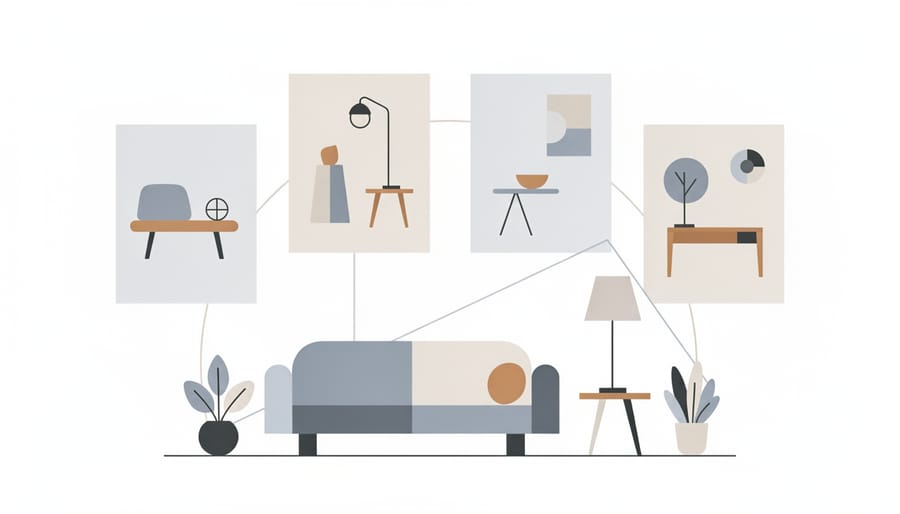
Translating fleeting inspiration into finished design requires deliberate practice and consistent systems. The most effective designers don’t wait for creative strikes, they build routines that capture, develop, and apply inspiration creativity systematically throughout their projects.
Start with a living mood board that evolves alongside your project. Pin images, fabric swatches, paint chips, sketches, and found objects to a physical board or digital platform. The key is curation: as you gather references, ask yourself what specifically draws you to each element. Is it the color harmony, the proportions, the mood, or the materiality? Naming what resonates helps you extract transferable principles rather than copying surface aesthetics. One London designer keeps separate boards for emotional tone, spatial concepts, and material palettes, allowing her to mix elements from different sources without creating visual chaos.
Maintain an inspiration journal where you document not just what you see but how you respond to it. After visiting an exhibition or walking through contemporary living spaces write three specific observations and one question they raise about your current project. This practice trains your eye to extract actionable insights from every experience. A Melbourne-based designer credits her daily journaling habit with helping her identify recurring themes in her work that became her signature style.
Engage actively with the design community through talks, workshops, and open studios. These gatherings offer more than networking, they expose you to diverse problem-solving approaches and challenge your assumptions. A Tokyo designer attending a community event on sustainable materials discovered a local artisan whose work inspired an entire material palette for a residential project, demonstrating how direct engagement yields opportunities passive research cannot.
Establish creative rituals that signal to your mind it’s time to generate ideas. One Barcelona designer begins each project by spending an hour in a specific café, sketching without judgment. Another takes a twenty-minute walk before design sessions. These rituals create mental space between consumption of inspiration and production of original work, allowing your creative filter to process inputs into something distinctly yours. The transformation happens in that gap between seeing and making.
Common Questions About Inspiration Creativity
How do I overcome creative blocks when inspiration creativity feels distant?
Step away from your screen and engage your senses directly, visit a materials showroom, walk through a neighborhood with distinctive architecture, or attend a local design talk. Physical movement and new sensory input often break the paralysis that screens and overthinking create.
What’s the difference between drawing inspiration and copying?
Inspiration creativity transforms what you observe through your own design lens, cultural background, and project constraints, resulting in work that reflects your voice. Copying replicates specific elements or arrangements without that transformation, it’s the difference between “this makes me think of combining natural textures with bold geometry” and “I’ll recreate this exact color palette and layout.”
Can I develop inspiration creativity or is it something you’re born with?
Inspiration creativity strengthens with practice, just like any skill. The more you train yourself to notice details, make unexpected connections, and gather design ideas from architecture art, and daily life, the more readily creative sparks will come.
How do I protect my creative voice while absorbing so much external inspiration?
Filter everything through your personal design philosophy and the specific needs of each project. Ask yourself what resonates and why, rather than collecting references indiscriminately, your unique perspective and constraints naturally shape how you interpret and apply what inspires you.
The balance between gathering inspiration and maintaining originality concerns many designers, particularly when they’re building a portfolio or developing a signature style. The key lies in digestion time. When you encounter something that sparks your imagination, let it simmer rather than immediately translating it into a project. This interval allows the idea to blend with your existing knowledge, preferences, and the specific challenges you’re solving, resulting in work that carries traces of the inspiration without replicating it.
You’ll know you’re absorbing too much when you feel paralyzed by options or when your work starts looking like a collage of trends rather than a cohesive statement. That’s the signal to pause input and focus on output, trusting what you’ve already internalized to guide your hand.
Inspiration creativity isn’t something you wait for, it’s something you build. Every conversation with a fellow designer, every material you touch, every unfamiliar street you walk down adds another layer to your creative foundation. The more deliberately you engage with the world around you, the richer and more distinctive your design voice becomes.
The designers who create the most compelling, original spaces aren’t necessarily the most talented, they’re the most curious. They visit exhibitions, attend community design talks, challenge their assumptions, and actively seek out perspectives different from their own. They understand that creativity thrives on input, reflection, and practice.
Your design journey doesn’t require dramatic reinvention. Start small: dedicate ten minutes each day to observing something closely, whether it’s the way light moves across a wall or how a favorite cafe arranges its seating. Join local design events to connect with practitioners who see things differently. Keep a running collection of ideas, materials, and questions that intrigue you.
Pure Design’s international team, community events, and curated resources exist precisely to feed this practice, to expose you to new voices, techniques, and cultural perspectives that expand what’s possible in your work. Your next breakthrough idea is already forming. The question is whether you’re creating the conditions for it to surface.