
Identify design publications actively seeking contributors by researching their “write for us” pages, examining their recent guest posts to understand editorial standards, and joining design writer communities where opportunities are regularly shared. Platforms like Hetneo blogger outreach can streamline your search for reputable interior design blogs accepting submissions.
Craft pitches that demonstrate your unique perspective by leading with your most compelling story angle, including three concrete article ideas with working headlines, and explaining how your expertise fills a gap in their existing content. Study each publication’s voice meticulously—a magazine focused on sustainable design requires different framing than one celebrating luxury maximalism.
Build a portfolio showcasing your best design writing, even if you’re starting fresh. Publish on Medium or your own blog to establish credibility, photograph spaces you’ve designed or styled, and document your design process through before-and-after narratives that reveal both aesthetic choices and practical problem-solving.
Guest posting in interior design opens doors beyond simple exposure. Contributors gain backlinks that boost SEO for their design businesses, position themselves as thought leaders when editors share their work, and connect with potential clients who discover their expertise through published articles. The most successful design writers treat every contribution as both a service to readers seeking inspiration and a strategic career investment, consistently delivering content that balances aspirational imagery with accessible implementation advice that homeowners can actually apply to their own spaces.
Why Interior Design Publications Need Your Voice
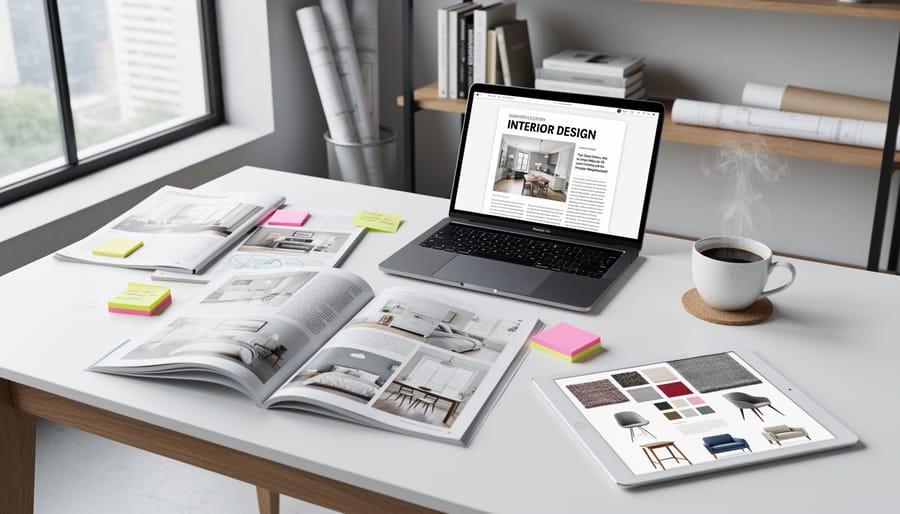
The Growing Appetite for Expert Perspectives
Today’s design enthusiasts and homeowners are hungry for more than glossy magazine spreads and staged perfection. They’re seeking genuine insights from those who’ve navigated real projects, solved complex spatial challenges, and witnessed design trends evolve across different markets and cultures. This shift represents a fundamental change in how audiences consume design content.
Readers increasingly value content that draws from hands-on experience rather than theoretical knowledge alone. When a designer shares lessons learned from transforming a challenging urban apartment or adapting minimalist principles to family living, that authenticity resonates deeply. These stories bridge the gap between aspiration and reality, helping readers understand how design principles translate into livable spaces.
The international dimension adds particularly rich texture to design conversations. A Scandinavian designer’s approach to maximizing natural light differs meaningfully from solutions developed in sun-drenched Mediterranean climates. These varied perspectives from leading design experts across continents create a more comprehensive understanding of how design adapts to cultural contexts, climate considerations, and regional aesthetics.
Specialized knowledge areas also drive engagement. Whether exploring sustainable material sourcing, accessibility-focused design, or historical restoration techniques, readers appreciate when contributors bring deep expertise to specific niches. This specialized content helps audiences make informed decisions about their own spaces while expanding their design vocabulary and appreciation for the craft’s complexity.
Building Community Through Shared Knowledge
At Pure Design, we believe that great interior design flourishes when ideas are shared, perspectives collide, and diverse voices come together. Guest posting isn’t just about publishing content—it’s about building bridges within our global design community. When you contribute your expertise, you’re joining an international team of designers, architects, and creative thinkers who are passionate about making exceptional design accessible to everyone.
Our community thrives through dynamic exchanges both online and offline. We regularly host design talks, workshops, and collaborative events where contributors can connect with readers face-to-face, transforming digital relationships into meaningful professional connections. These gatherings celebrate the stories behind the spaces, bringing together homeowners seeking inspiration and design professionals ready to share their knowledge.
By contributing to our platform, you become part of a movement that values education over exclusivity. Your insights help demystify design principles for enthusiasts taking their first steps into home transformation, while simultaneously offering fresh perspectives that inspire seasoned professionals. This collaborative approach enriches our entire community, creating a repository of knowledge that reflects diverse cultural influences, design philosophies, and practical solutions. Together, we’re not just creating content—we’re cultivating a space where design knowledge flows freely and every voice has the power to inspire someone’s next project.
What Makes a Winning Guest Post in Interior Design
Topics That Resonate With Design Enthusiasts
Understanding which topics truly engage design enthusiasts will significantly strengthen your guest post pitches. Readers crave content that bridges inspiration with actionability, moving beyond surface-level aesthetics to offer genuine value.
Intelligent buying guides consistently perform exceptionally well, particularly when they combine product recommendations with deeper context about materials, craftsmanship, and longevity. Rather than simply listing items, consider exploring how specific pieces integrate with contemporary design principles or how investment pieces transform entire spaces over time. Our international team perspectives often reveal fascinating regional variations in product availability and design priorities that readers find illuminating.
Innovative storage solutions address one of the most persistent challenges homeowners face. Content that showcases creative approaches to organization, especially in smaller spaces or multi-functional rooms, generates tremendous engagement. Think beyond standard closet systems to explore how storage becomes an integrated design element rather than an afterthought.
Creative process insights pull back the curtain on how design decisions evolve from concept to completion. Readers appreciate understanding the thinking behind material selections, color palette development, and spatial planning. These narratives humanize the design process while educating audiences about professional methodologies they can adapt to their own projects.
Project case studies with thorough before-and-after documentation provide concrete examples of design principles in action. Include budget considerations, unexpected challenges, and problem-solving strategies to create relatable, instructive content. Community event highlights featuring real spaces and genuine transformations add authenticity that resonates deeply.
Finally, trend analysis becomes valuable when paired with practical applications. Rather than simply declaring what’s trending, demonstrate how readers might incorporate these elements thoughtfully into existing spaces without complete overhauls.
Balancing Inspiration With Practical Value
The most compelling interior design content lives at the intersection of aspiration and application. When crafting your submission, think of yourself as a bridge between the glossy magazine spreads readers admire and the real-world transformations they can actually achieve in their homes.
Start with stunning visuals or evocative descriptions that spark imagination, then ground that inspiration in tangible steps. For instance, if you’re showcasing a luxurious bedroom redesign, don’t just display the final result. Break down the specific paint colors used, approximate budget ranges, and which elements delivered the most impact for their cost. This approach respects both the dreamer and the doer in your reader.
Consider featuring practical living room solutions that start with an aspirational concept but quickly pivot to implementation. Share the why behind design choices while providing the how for readers to adapt ideas to their spaces and budgets.
Include real timelines, potential challenges, and alternative options for different price points. Our international team has found that readers appreciate honesty about what’s achievable. They don’t want dumbed-down content, but they do want clarity on whether a project requires professional help or can be tackled over a weekend with basic tools.
This balance demonstrates respect for your audience’s intelligence while acknowledging their practical constraints, creating content that both inspires action and enables it.
The Power of Your Unique Perspective
Your distinct background is your greatest asset as a design contributor. Rather than replicating what’s already saturated in the design sphere, lean into what makes your perspective irreplaceable. Perhaps you’ve renovated historic properties across different continents, giving you insights into how cultural contexts shape residential spaces. Maybe you specialize in adaptive reuse for neurodivergent families, or you’ve mastered sustainable design in extreme climates.
These specific viewpoints transform ordinary articles into compelling reads. A piece about open-concept living becomes infinitely more valuable when written by someone who’s navigated this trend across Tokyo apartments, London townhouses, and Austin bungalows. Similarly, project case studies gain depth when contributors explain not just what they designed, but why their particular expertise led to unconventional solutions.
Generic advice about choosing paint colors exists everywhere. What readers genuinely seek is your hard-won knowledge about selecting finishes for coastal humidity, your grandmother’s traditional color theory from another culture, or your experience designing for multi-generational households. These authentic angles make your content indispensable rather than interchangeable.
Crafting Your Pitch: From Idea to Acceptance
Researching the Publication’s Content DNA
Before crafting your pitch, invest time in understanding what already resonates with your target publication. Think of this as exploring a magazine’s personality—each platform has distinct editorial preferences, recurring themes, and a unique voice that sets it apart.
Start by reviewing at least ten recent articles to identify patterns. Notice which topics appear frequently and how they’re approached. Are the pieces trend-focused or timeless? Do they feature DIY projects or professional transformations? Pay attention to article structure, paragraph length, and whether content includes actionable takeaways or remains purely inspirational.
Consider Pure Design as your case study. By analyzing their content library, you’d discover their focus on sophisticated yet accessible design solutions, international perspectives from their global team, and community-driven narratives. This insight immediately tells you that a pitch about budget-friendly Scandinavian lighting would align better than overly technical architectural specifications.
Look for content gaps that align with your expertise. Perhaps the publication covers modern interiors extensively but rarely explores transitional styles, or features living spaces but overlooks home offices. These gaps represent your golden opportunities.
Create a simple spreadsheet documenting your findings: common themes, article formats, tone descriptors, and missing topics. This research becomes your blueprint for pitching ideas that feel native to the publication while offering fresh perspectives. Publications don’t want generic submissions—they want contributors who understand their editorial DNA and can enhance it with new dimensions.
Writing a Pitch That Gets Noticed
Your pitch email is your first impression, so make it count. Start with a subject line that’s specific and intriguing—avoid generic phrases like “Guest Post Inquiry.” Instead, try something like “Pitch: Transforming Small Spaces with Multifunctional Furniture” that immediately conveys your topic and value.
In your opening paragraph, briefly introduce yourself with credentials that matter. Mention relevant experience—whether you’re a practicing designer, have published work elsewhere, or bring unique expertise like sustainable design or cultural perspectives on interiors. This isn’t the place for your full resume; two to three sentences establishing why you’re qualified to write on this topic is sufficient.
Next, present your article concept clearly. Include a working title and a concise description of what you’ll cover, ideally in three to four sentences. Explain the angle you’re taking and what fresh insights or practical advice readers will gain. For example, “I’d like to explore how biophilic design principles can be incorporated into urban apartments, featuring three achievable techniques homeowners can implement immediately.”
Finally, demonstrate you’ve done your homework. Explain why your proposed piece fits the publication’s aesthetic and audience. Reference specific articles they’ve published or themes you’ve noticed in their content. This shows respect for their editorial vision and increases your chances of getting a positive response. Keep the entire pitch under 200 words—editors appreciate brevity and clarity.
What Editors Look For in Contributors
Editors evaluating potential contributors look beyond beautiful writing—they’re searching for a complete package. Strong writing quality forms the foundation, but what truly distinguishes professional pitches is demonstrated expertise through specific examples, case studies, or credentials that establish authority. Editors need contributors who understand their publication’s voice and audience, submitting content that aligns seamlessly with existing editorial standards.
Visual assets have become increasingly critical in interior design publishing. Contributors who can provide high-resolution images, mood boards, or before-and-after transformations immediately stand out. Editors appreciate writers who think visually, understanding that compelling design content requires both descriptive storytelling and eye-catching imagery.
Reliability matters enormously. Meeting deadlines, responding promptly to editorial feedback, and delivering clean copy without excessive revision needs signals professionalism. Editors remember contributors who make their jobs easier, often developing ongoing relationships with dependable writers.
The ability to engage readers through accessible yet sophisticated language separates amateur submissions from publishable content. Successful contributors balance design terminology with explanations that welcome newcomers while respecting experienced enthusiasts. They craft narratives that inspire action, whether that’s trying a design technique or reimagining a space, rather than simply presenting information.

Beyond Bylines: Strategic Benefits of Guest Posting
Building Your Design Authority and Portfolio
Publishing your work creates a tangible record of your expertise that extends far beyond a traditional resume. Each article becomes a permanent showcase of your design philosophy, analytical abilities, and communication skills—qualities that clients and collaborators actively seek when evaluating potential partnerships.
When you contribute to established design platforms, you’re essentially borrowing their credibility while building your own design authority. These published pieces serve as proof points that demonstrate your knowledge has been vetted and valued by respected industry voices. Prospective clients often research designers online before making contact, and discovering your thoughtful articles on reputable sites creates an immediate positive impression that sets you apart from competitors who rely solely on project photography.
Your portfolio transforms from a simple gallery of completed spaces into a comprehensive narrative of your design thinking. Articles allow you to explain the reasoning behind your aesthetic choices, share problem-solving approaches, and articulate trends you’re championing. This depth of insight helps potential clients understand not just what you create, but how you think—building confidence before the first consultation.
Specializing your content within specific niches positions you as the go-to expert for particular design challenges, whether that’s sustainable materials, small-space solutions, or cultural design integration.

Connections That Lead to Opportunities
Publishing your interior design insights creates a ripple effect that extends far beyond the initial article. When your work appears on respected platforms, you’re not just sharing ideas—you’re opening doors to meaningful professional relationships that can transform your career trajectory.
The connections begin with editorial teams. Editors who appreciate your unique perspective often become long-term collaborators, reaching out when they need expert commentary or specialized content. This relationship can evolve into regular column opportunities or invitations to contribute to special editions. One published piece demonstrates your reliability and voice, making editors more likely to consider you for future projects that align with your expertise.
Fellow contributors form another valuable network layer. Design publications attract accomplished professionals from around the world, each bringing distinct cultural perspectives and specialized knowledge. Through shared publishing platforms, you’ll connect with interior designers from Copenhagen to Cape Town, architects reimagining urban spaces, and sustainable materials innovators. These relationships often spark collaborations—perhaps a joint workshop series or a co-authored piece exploring international design trends.
The most unexpected opportunities frequently come from engaged readers. Design enthusiasts discovering your article might be planning renovations, launching boutique hotels, or organizing industry conferences. Your published work serves as your portfolio and calling card simultaneously. Readers seeking specific expertise—whether it’s maximizing small spaces or incorporating biophilic elements—will reach out directly, transforming passive readership into active client inquiries.
Speaking invitations naturally follow publication success. Event organizers searching for knowledgeable presenters often scout contributors to prominent design platforms. Your articles demonstrate both expertise and communication skills, making you an attractive candidate for design summits, community workshops, and professional panels.
Navigating the Guest Posting Process
Preparing Your Submission Package
Once you’ve refined your pitch and received a green light, it’s time to assemble your submission package. Think of this as your professional portfolio moment—everything should reflect the quality and sophistication your content promises.
Your polished draft should be thoroughly proofread and formatted according to the publication’s guidelines. Most design publications prefer documents submitted in Microsoft Word or Google Docs format, with clear paragraph breaks and minimal formatting. Include suggested subheadings to improve readability, but keep them simple and clean.
High-quality images are essential in interior design content. Submit photos at least 1200 pixels wide, with 300 DPI resolution preferred for print publications. Crucially, you must provide proper licensing documentation or photographer credits for every image. If you’re featuring client projects, include written permission from homeowners. Many contributors stumble here—unlicensed images can derail an otherwise perfect submission.
Your author bio should be concise yet compelling, typically 50-75 words. Highlight your design credentials, notable projects, or unique perspective. Include your professional headshot—a polished, high-resolution image that conveys approachability and expertise.
Finally, provide relevant links to your portfolio, website, or social media profiles. Many publications allow 1-2 contextual links within your article, so identify where these naturally fit to showcase your work or elaborate on concepts discussed. This complete package demonstrates professionalism and respects editors’ time, significantly increasing your acceptance chances.
Working With Editors: A Collaborative Partnership
Once your pitch receives a green light, the real collaboration begins. Think of editors as your creative partners rather than gatekeepers—they’re invested in making your work shine and resonate with their audience. When you receive editorial feedback, approach it with openness and professionalism. Remember, their suggestions come from deep knowledge of what their readers love and how content performs on their platform.
Publication timelines vary widely across platforms, from a few days for timely trend pieces to several months for comprehensive features. Ask upfront about expected turnaround times so you can plan accordingly. If you need an extension, communicate early rather than missing a deadline. Editors appreciate contributors who respect their schedules and understand the complexities of editorial calendars.
When incorporating feedback, don’t take revisions personally. An editor requesting changes to your opening paragraph or suggesting additional examples isn’t questioning your expertise—they’re refining the piece for maximum impact. If you disagree with a particular edit, have a constructive conversation explaining your perspective. Good editors welcome thoughtful dialogue.
Responsiveness sets exceptional contributors apart. Reply to emails promptly, meet deadlines consistently, and be available for quick clarifications during the editing process. These simple professional courtesies create lasting relationships. Publications remember writers who make their jobs easier, leading to repeat invitations and opportunities to tackle more prominent features. Building this collaborative partnership transforms a single article into an ongoing creative relationship.
The world of interior design thrives on shared knowledge, creative exchange, and the collective wisdom of professionals who dare to put their ideas into words. Guest posting isn’t reserved for established names with decades of experience or massive portfolios. It’s an accessible pathway for anyone with genuine insights, fresh perspectives, and a willingness to contribute to the broader design conversation.
Think of your first guest post as planting a seed. You might begin by sharing a single project lesson, a design challenge you overcame, or a trend observation from your unique vantage point. That seed grows through the connections you make, the readers you inspire, and the opportunities that unfold when you position yourself as both a learner and a teacher within this dynamic community. Our international team has witnessed countless designers transform their practices through consistent, thoughtful content contributions that resonated with audiences they never knew existed.
The transformative potential we explored at the beginning of this journey isn’t hypothetical. It’s happening right now for designers who choose to share their voices. Perhaps you’re that residential designer with innovative storage solutions worth sharing, or the color theory enthusiast who sees spaces differently, or the sustainable design advocate with practical implementation strategies others need to hear.
Your next step is beautifully simple: identify three publications aligned with your design philosophy, study their existing content deeply, and craft a pitch that offers genuine value to their readers. Don’t wait for perfect timing or complete confidence. The design community is waiting for your perspective, your stories, and your contribution to the ongoing conversation that shapes how we all create beautiful, functional spaces. Start today.